A bad storm blows through San Antonio, and by the next morning there is a hole in the roof, water coming through the ceiling, and a decision that cannot wait for the insurance process to run its course. Tarping is not a fix. It is triage, meant to buy time between the moment the roof fails and the moment it gets properly repaired, and understanding that difference keeps a bad day from turning into a much longer problem.
We get called out for emergency tarping in San Antonio often enough after major storms to know where it goes right and where it goes wrong. The difference usually comes down to whether the tarp actually stops water from getting in, or whether it looks that way from the ground without doing the job.
What Tarping Is Actually Supposed to Do
A proper tarp job covers the damaged area with enough overlap to shed water past the exposed section, and it gets anchored down in a way that survives the next round of wind rather than tearing loose the following week. That means securing it to the roof deck itself instead of weighing down the edges alone, and running it far enough past the damage that water cannot creep in around the sides during a driving rain.
Done wrong, a tarp gives a false sense of security. Water finds the smallest gap, and a homeowner who thinks the problem is handled can end up with weeks of hidden water intrusion before anyone notices the ceiling stain spreading. That is worse than having no tarp at all, because the delay lets the damage grow underneath a covering that looked fine from the yard.
When Tarping Actually Makes Sense
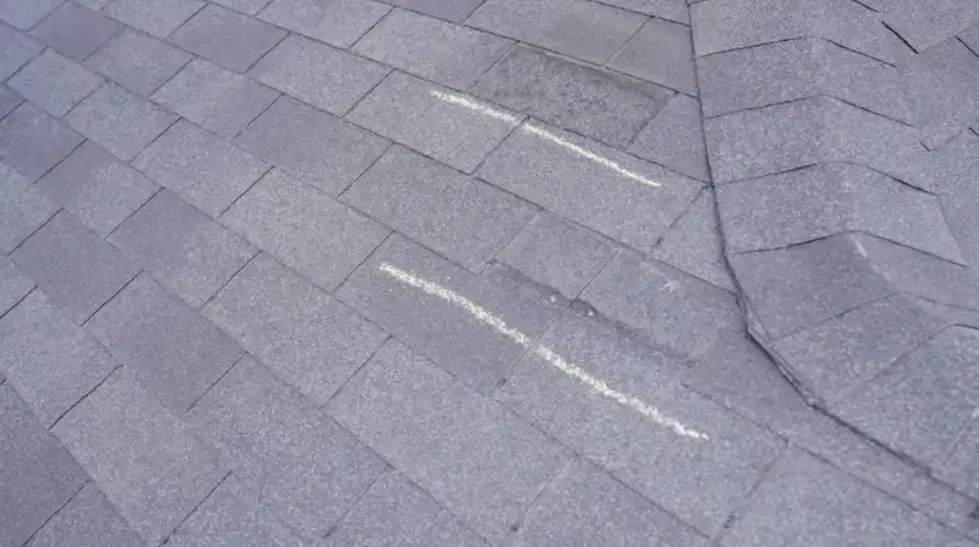
Tarping earns its place when there is active exposure, meaning a hole, missing shingles over a wide area, or damaged flashing that is letting water in right now. It is not a substitute for a full roof repair or replacement, and it should not sit in place for weeks while a homeowner decides what to do next. The tarp holds the line long enough for a proper roof inspection to happen and for insurance documentation to get done correctly, not indefinitely.
Temporary Repairs That Actually Bridge to the Real Fix
Beyond tarping, temporary repairs sometimes include sealing exposed flashing, securing loose shingles that are actively lifting, or covering a damaged vent boot until the permanent materials are on site. These steps matter because they stop the damage from compounding while a claim moves through the insurance process, but they are a bridge, not a destination. A San Antonio homeowner should walk away from an emergency call with a clear plan for what happens next, not a tarp and a business card left behind with no follow-up.
That plan matters especially after major hail events, when storm damage repair requests spike across the city and it becomes tempting to let the temporary fix sit longer than it should. We treat tarping as the first step of the repair process, not a separate job that ends when the tarp goes up.
FAQ
How long can a tarp safely stay on my roof? A tarp is meant as a short-term measure, ideally weeks rather than months. Sun exposure and wind wear it down over time, and it is not built to hold up the way permanent roofing materials are.
Does insurance cover emergency tarping in San Antonio? Most homeowners insurance policies cover reasonable emergency measures taken to prevent further damage, but it is worth documenting the tarping with photos and keeping any related receipts.
What should I do if I find a leak during a storm? Move anything valuable out of the water’s path, contain what you can with a bucket or tarp indoors, and call for an emergency assessment as soon as it is safe to have someone on the roof.
Can a tarp job wait until the next morning if the storm is still active? Safety comes first. No roof work should happen during active lightning or high winds, so interior water containment is the priority until conditions clear.
Call Before the Damage Spreads
San Antonio homeowners dealing with an active leak need a response that actually stops the water, not a tarp thrown over the problem and forgotten. We handle emergency tarping the right way and walk you through what comes next.
Call us at (254) 300-1413 or reach out here to get help fast.
If your roof is in danger, call the Lone Ranger.